

Understanding Different Art Styles
Different art styles have always been more than decoration. It tells stories, captures emotions, and reflects the way people see the world. Whether displayed as framed wall art, art prints, notebooks, or creative stationery, different art styles influence how we experience and connect with visual design.
From the flowing elegance of Art Nouveau to the clean simplicity of Modern Minimalism, every art movement brings its own character and charm. Understanding these styles can help you appreciate art more deeply while choosing pieces that truly reflect your personality and living space.
In this guide, we’ll explore some of the most influential art styles and how they continue to inspire modern interiors and creative products today.
What Is an Art Style?
An art style is a distinctive way of expressing ideas, emotions, and beauty. It includes elements such as color, composition, subject matter, and artistic techniques. Over time, artists have developed different approaches to creating art, leading to the emergence of unique movements that continue to influence design, home décor, and visual culture.
Art Nouveau: Beauty Inspired by Nature
Emerging in the late 19th century, Art Nouveau became known for its elegant curves, flowing lines, and organic forms inspired by nature.
Key Characteristics
- Floral motifs
- Flowing decorative lines
- Nature-inspired elements
- Detailed craftsmanship
- Elegant feminine forms
Art Nouveau celebrates beauty in everyday life. Botanical illustrations, flowers, vines, and natural patterns are commonly featured within this style. Today, Art Nouveau continues to inspire wall art, posters, notebooks, and decorative prints that bring timeless elegance into modern spaces.
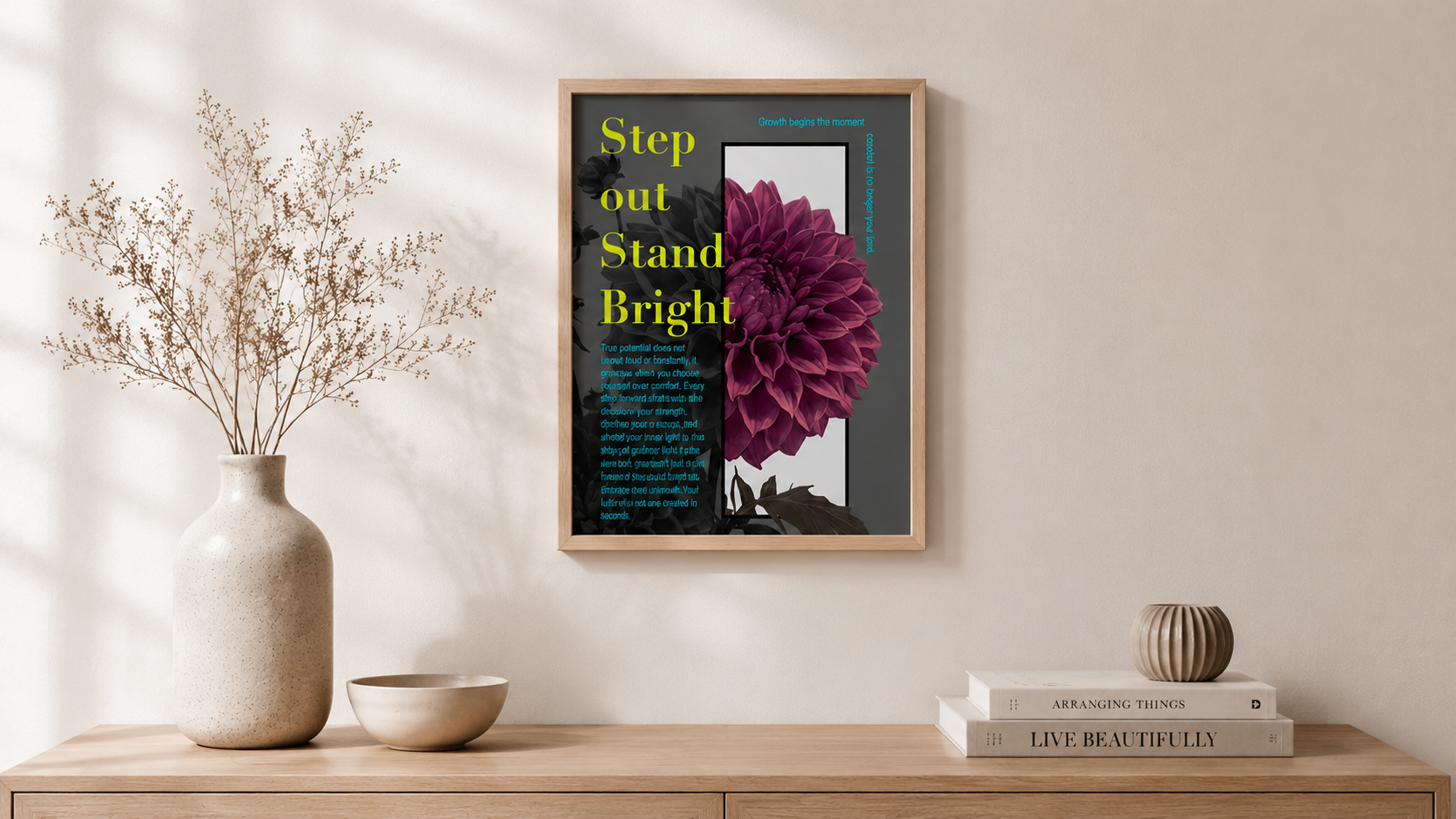
Art Deco: Bold, Elegant, and Sophisticated
Art Deco emerged during the 1920s and became a symbol of luxury and modernity. Unlike the organic forms of Art Nouveau, Art Deco embraced:
Key Characteristics
- Geometric shapes
- Symmetrical compositions
- Rich colors
- Metallic accents
- Strong visual contrast
This style creates a sense of glamour and sophistication, making it popular for statement wall art and contemporary interiors. Many modern art prints still borrow Art Deco’s clean geometry and timeless appeal.
Impressionism: Capturing a Moment
Impressionism changed the way artists approached painting by focusing on light, atmosphere, and everyday scenes.
Key Characteristics
- Visible brushstrokes
- Soft color transitions
- Natural light
- Outdoor subjects
- Emotional expression
Instead of capturing perfect details, Impressionist artists focused on creating a feeling or impression. Today, Impressionist-inspired prints remain popular because they bring warmth, softness, and movement into living spaces.
Botanical Illustration: Where Art Meets Nature
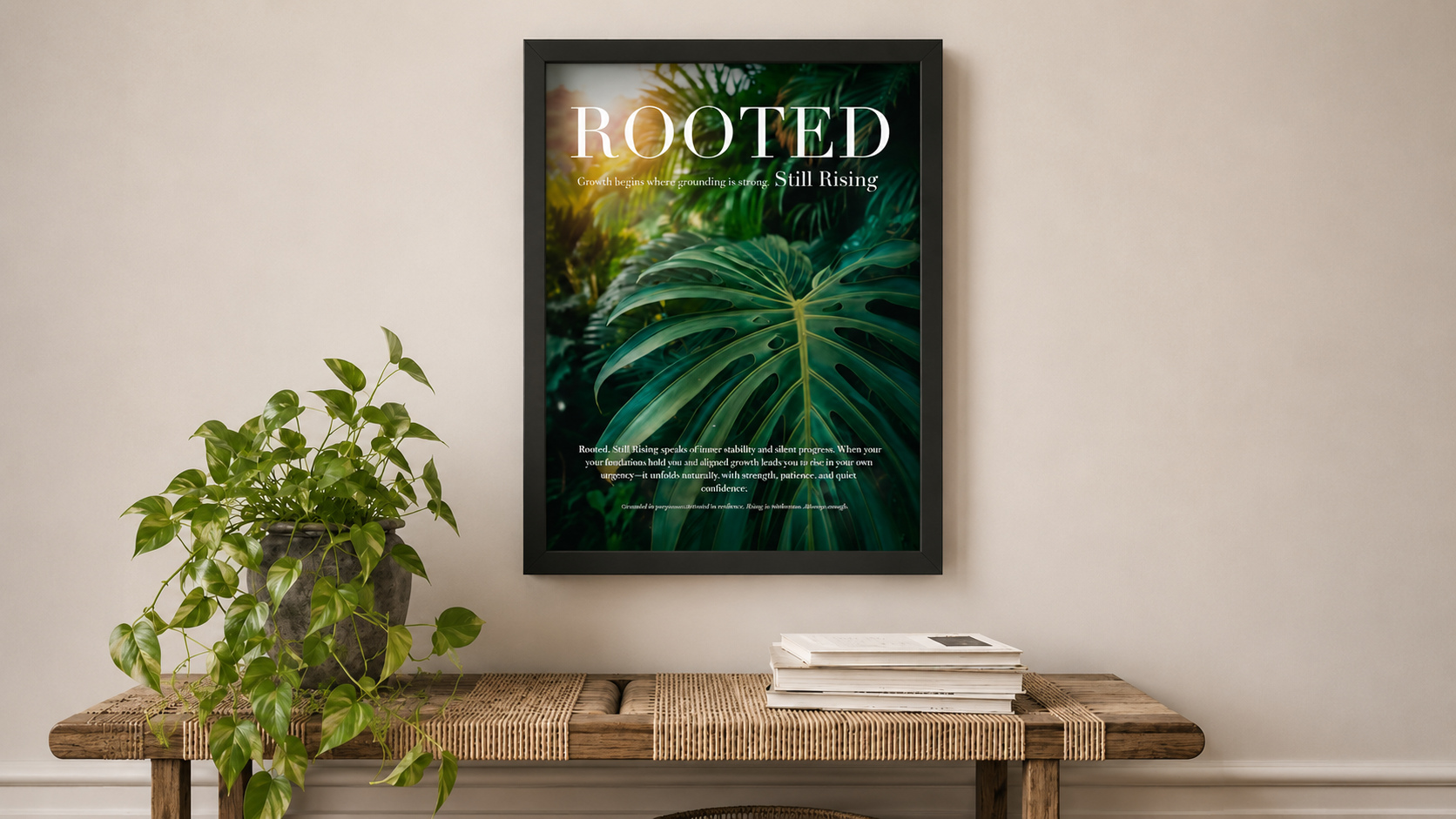
Botanical illustration combines scientific observation with artistic beauty. Originally created to document plant species, botanical artwork has become one of the most beloved decorative styles for homes.
Why Botanical Art Remains Popular
- Timeless appeal
- Natural color palettes
- Calming visual effect
- Versatile styling options
- Works with modern and traditional interiors
Botanical prints fit beautifully into living rooms, bedrooms, workspaces, and reading corners. For people who appreciate nature-inspired design, botanical art offers both elegance and tranquility.
Abstract Art: Emotion Through Form and Color
Abstract art moves beyond realistic representation. Instead of depicting recognizable subjects, abstract artists use colors, shapes, textures, and forms to communicate ideas and emotions.
Key Characteristics
- Non-representational imagery
- Creative freedom
- Bold compositions
- Emotional interpretation
- Visual experimentation
Abstract artwork allows every viewer to experience something different, making it one of the most personal forms of visual expression. Modern interiors often use abstract art to add creativity and visual interest without overwhelming a space.
Modern Minimalism: Less Is More
Modern Minimalism focuses on simplicity and intentional design. This style removes unnecessary elements and highlights balance, space, and visual clarity.
Key Characteristics
- Neutral color palettes
- Clean lines
- Simple forms
- Limited visual clutter
- Functional beauty
Minimalist artwork creates calm environments that feel open and peaceful. Many contemporary homes use minimalist art prints because they complement a wide variety of interior styles without dominating the room.
How Art Styles Influence Modern Home Décor
Although many art movements originated decades or even centuries ago, their influence remains visible in modern design. Today, homeowners often combine different artistic styles to create spaces that feel personal and unique.
For example:
- Botanical prints add natural warmth.
- Minimalist art creates calm and balance.
- Abstract artwork adds energy and creativity.
- Art Nouveau-inspired designs introduce elegance.
- Art Deco elements add sophistication.
The best interiors often blend multiple influences while maintaining a cohesive visual story.
Choosing the Right Art Style for Your Space
When selecting artwork, consider how you want your space to feel.
For Calm Spaces
Choose:
- Botanical illustrations
- Minimalist art
- Soft neutral palettes
For Creative Spaces
Choose:
- Abstract art
- Colorful prints
- Contemporary designs
For Elegant Interiors
Choose:
- Art Nouveau-inspired pieces
- Floral artwork
- Decorative illustrations
For Modern Homes
Choose:
- Minimalist wall art
- Geometric prints
- Clean compositions
The goal is not to follow trends but to select artwork that reflects your personality and lifestyle.
Art, Creativity, and Personal Expression
Art has the unique ability to transform everyday spaces into meaningful environments. Whether displayed as framed wall art, creative prints, notebooks, or decorative accessories, every piece contributes to the atmosphere of a room. At Piqamood, we believe that art should inspire creativity, reflection, and self-expression while helping people create spaces they genuinely enjoy living in.
To learn more about our creative journey and what inspires our collections, visit our story
Final Thoughts
Understanding different art styles helps us appreciate not only the artwork itself but also the emotions and ideas behind it. From the flowing beauty of Art Nouveau to the simplicity of Modern Minimalism, every artistic movement offers something unique. By exploring these styles and incorporating them into your home, you can create spaces that feel personal, inspiring, and visually meaningful. The best art is ultimately the art that speaks to you—because great design is not just about how a space looks, but how it makes you feel.
Thank you for reading , come again !!
Namaste !!